
Most people find out they have high blood pressure by accident. A free check at a pharmacy, a pre-employment medical, a visa screening. The number comes back higher than expected, someone says “keep an eye on it”, and life carries on. Six months later, nobody has looked at it again.
That’s the tricky part about this condition. It usually doesn’t hurt. There’s no obvious warning sign, no day when you suddenly feel unwell. Meanwhile, the extra pressure is slowly straining your heart, blood vessels, kidneys and eyes. In a city like Dubai, where long shifts, late dinners, takeaway food and very little walking are part of the daily routine for many people, it is far more common than most residents assume.
So when should a reading actually send you to a doctor? And what happens once you’re there? Here’s a straightforward guide.
What Counts as High Blood Pressure?
A blood pressure reading has two numbers. The top one (systolic) is the pressure in your arteries when your heart beats. The bottom one (diastolic) is the pressure between beats. Both matter.
The latest guideline from the American Heart Association and the American College of Cardiology, published in 2025, kept the same categories doctors have used since 2017:
| Category | Top number (systolic) | Bottom number (diastolic) | |
| Normal | Below 120 | and | Below 80 |
| Elevated | 120–129 | and | Below 80 |
| Stage 1 hypertension | 130–139 | or | 80–89 |
| Stage 2 hypertension | 140 or higher | or | 90 or higher |
If your two numbers fall into different categories, the higher one is what counts. So a reading of 128/86 is stage 1, not elevated.
It’s also worth knowing that one high reading doesn’t mean you have high blood pressure. Rushing to an appointment, a strong coffee, a full bladder or plain nerves in a clinic room can all push the numbers up for a while. A diagnosis is based on several readings taken on different occasions, ideally with some taken at home as well.
Why “I Feel Fine” Isn’t a Reason to Wait
Plenty of people put off seeing a doctor because they feel perfectly well. Unfortunately, that’s exactly how raised blood pressure behaves. Symptoms, when they do appear, often come late, sometimes in the form of a heart attack, a stroke, kidney trouble or changes in eyesight.
The good news is the other side of the same coin. Caught early, it’s often manageable with small, steady changes, and in the beginning medication isn’t always needed. Left alone for years, it gets harder to control and the risk of complications keeps climbing.
When You Should Book a GP Appointment
You don’t need to wait for symptoms. Book a consultation if any of these apply to you:
- You’ve had a reading of 130/80 or higher more than once. It doesn’t matter whether it was at a pharmacy, at work or on a home monitor. Repeated readings in this range need a proper assessment.
- Your home readings are slowly creeping up over weeks or months, even if they haven’t crossed a threshold yet.
- There’s a family history of high blood pressure, heart disease, stroke or kidney disease, particularly if you’re over 35 and haven’t been checked recently.
- You have diabetes, high cholesterol or kidney problems, or you’re carrying extra weight. These conditions and raised blood pressure tend to travel together, and each one makes the others more dangerous.
- You get morning headaches, dizziness, nosebleeds or tiredness you can’t explain. These aren’t reliable signs on their own, and many people with raised readings have none of them. Still, they’re worth getting checked rather than guessing.
- You’re already on tablets but your readings are still high, the medicine is giving you side effects, or you’ve stopped taking it.
- You’re pregnant or planning a pregnancy and have had raised readings before.
- It’s been more than a year since anyone checked. Adults over 40, and anyone with risk factors, should have their blood pressure measured at least once a year. Younger, healthy adults should still get it checked every few years.
When It’s an Emergency, Not a GP Visit
Some readings shouldn’t wait for an appointment. If your blood pressure is 180/120 or higher, sit quietly for five minutes and measure again.
If it’s still that high and you have any of the following, call 998 for an ambulance or go to the nearest emergency department straight away:
- Chest pain or pressure
- Shortness of breath
- A severe headache that came on suddenly
- Weakness or numbness in the face, arm or leg
- Trouble speaking, confusion or blurred vision
- Pain in the back or abdomen
If the reading stays that high but you otherwise feel fine, contact a doctor the same day. Don’t leave it until next week.
What Happens When You See a Blood Pressure Doctor
For most people, a GP is the right blood pressure doctor to start with. A specialist referral only becomes necessary in particular situations, such as readings that won’t come down despite several medicines, or a suspected underlying cause.
A good first visit usually covers four things.
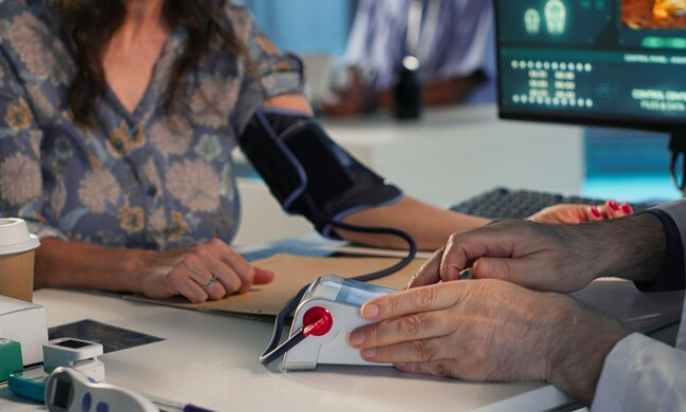
1. Measuring it properly. You should be seated with your back supported, feet flat and arm resting at heart level, using a cuff that actually fits. On the first visit, both arms are often checked, and more than one reading is taken.
2. Looking at the bigger picture. Expect questions about your diet, salt intake, sleep, smoking, alcohol, stress, working hours and family history. Your doctor will also ask about any medicines and supplements you take, because some common ones (certain painkillers, cold and flu decongestants, some herbal products) can raise blood pressure.
3. Basic tests. These typically include blood tests for kidney function, electrolytes, blood sugar and cholesterol, along with a thyroid test, a urine test and an ECG. They show whether the pressure has already affected any organs and whether something else is driving it. Heavy snoring and daytime sleepiness might lead to a conversation about sleep apnoea, a common and often missed cause.
4. A plan for home monitoring. Clinic readings don’t always tell the full story. Some people only run high in front of a doctor, while others read normal in the clinic and high at home. A week or two of home readings helps confirm what’s really going on.
What Hypertension Treatment Usually Looks Like
Good hypertension treatment is rarely a single prescription handed over at the end of a visit. It’s a plan, and it usually has two parts.
Lifestyle changes (for almost everyone)
- Cut back on salt. This is a big one in Dubai. Restaurant meals, shawarma, fast food, instant noodles, pickles, processed cheese and packaged snacks all carry far more sodium than most people realise.
- Eat more vegetables, fruit, beans and whole grains. Potassium-rich foods help balance out sodium, though anyone with kidney disease should check with their doctor first.
- Move more. Aim for around 150 minutes a week of moderate activity, such as brisk walking. In the summer months, an early-morning walk, a few laps of a mall or the building gym all work.
- Lose some weight if you need to. Even a few kilos can bring readings down noticeably.
- Limit alcohol and stop smoking.
- Protect your sleep, and find a way of handling stress that you can realistically keep up.
Medication (when needed)
If your readings are in the stage 2 range, or you’re in stage 1 with a higher overall risk of heart disease, your doctor will probably suggest medicine alongside lifestyle changes. Common options include ACE inhibitors, ARBs, calcium channel blockers and thiazide-type diuretics. Many people end up on a combination of two medicines at lower doses, which often works better and causes fewer side effects than one tablet at a high dose.
One important point. A normal reading while you’re on medication means the medicine is working. It doesn’t mean you can stop. Never stop or change blood pressure tablets without speaking to your doctor first.
How Often Should You Follow Up?
After a new diagnosis or a change in medication, expect a review roughly once a month until your readings settle within target. For most adults, the current target is below 130/80, although your doctor may set a different goal depending on your age and other health conditions. Once things are stable, a check every three to six months is usually enough, with blood tests around once a year.
If you’re monitoring at home, a few habits make the numbers far more trustworthy:
- Use a validated upper-arm monitor rather than a wrist device.
- Sit quietly for five minutes before measuring, back supported and feet flat on the floor.
- Avoid caffeine, exercise and smoking for 30 minutes beforehand.
- Take two readings a minute apart, morning and evening, and write them down.
- Bring your log, or the monitor itself, to your appointments.
Seeing a GP for High Blood Pressure in International City
Medlite Medical Center has been looking after families in International City for more than five years, and long-term conditions like hypertension are a big part of what our general medicine team does every day. If you’re looking for an Affordable General Physician International City Dubai residents can reach without crossing the city, you’ll find us at Shop No. 5 & 6, Riviera Dreams Building, CBD-20, open from 8am to 9pm, Monday to Sunday.
Because we provide Medical & Dental Services in Dubai under one roof, with our own laboratory and pharmacy on site, most of what a blood pressure check-up involves can happen in a single visit: the consultation, blood tests, your prescription and the next follow-up booking. Our doctors take time to understand your full history before recommending anything, and they stay with you through ongoing hypertension treatment instead of treating every visit as a fresh start. We also accept a wide range of insurance plans.
To book, call +971 4 458 5859 or use the appointment form on our website.
Frequently Asked Questions
What blood pressure reading should make me see a doctor? If your readings are 130/80 or above on more than one occasion, book a GP appointment. If a reading is 180/120 or higher and you have symptoms such as chest pain, breathlessness, weakness or changes in vision, treat it as an emergency.
Can high blood pressure be managed without medication? Sometimes, yes. This is more likely in the elevated range or early stage 1, when your overall heart risk is low. Cutting salt, losing weight, staying active and drinking less can lower readings meaningfully. Your doctor will review your progress after a few months and decide whether medicine is needed.
Will I have to take tablets for the rest of my life? Many people do need long-term medication, but not everyone. Some are able to reduce their dose after making lasting lifestyle changes. That decision should always be made with your doctor, never on your own.
Are home blood pressure monitors accurate? A validated upper-arm monitor used correctly is quite reliable. Take it along to your next appointment so your doctor can compare it with a clinic reading.
Do I need to see a cardiologist? Usually not at first. A GP can diagnose and manage most cases. A specialist referral is considered if readings stay high despite treatment, if there are signs of heart strain, or if an underlying cause is suspected.
Don’t Leave It as “Just a Number”
A raised reading is one of the easiest early warnings to act on. A short consultation, a few tests and a sensible plan can protect your heart and kidneys for decades. If your last few readings have been on the high side, or you honestly can’t remember the last time you were checked, now is a good time to book.