

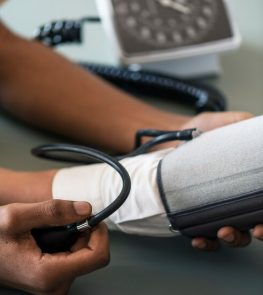
You are likely ignoring a mechanical failure inside your own arteries right now. Most adults assume elevated blood pressure requires a dramatic physical breakdown to become dangerous. We treat chronic vascular stress as an abstract number on a clinic chart rather than a physical force actively destroying organ tissue. The reality is that your cardiovascular system compensates for the microscopic damage until it simply cannot function anymore.
The Myth of the Red-Faced Warning
There is a myth that people with high blood pressure look angry, sweaty and red. This idea from movies and TV causes problems. Many people wait for signs that never show up. Thousands die each year because of this. The real signs of blood pressure are subtle. They can be mistaken, for being tired or thirsty.
Morning headaches are usually the sign that something is wrong. These morning headaches are not like headaches. They are an ache that pulses at the back of the head and they happen when you wake up in the morning. When you wake up your blood pressure goes up high. The tiny vessels, in your body have a time dealing with all the extra blood flowing through them.
You might also experience spontaneous nosebleeds, which serve as symptom two. While dry air causes routine bleeds, a hypertensive bleed is heavier and much harder to stop. It occurs because the fragile capillaries inside your nasal cavity literally burst under the sustained mechanical pressure.
A dull morning headache is your vascular system screaming that it cannot handle the internal pressure load.
Dismissing these daily aches guarantees a much larger structural collapse is on the horizon.
Cardiopulmonary Strain and Breathlessness
Your heart and lungs work together in a circle. When the pressure inside the arteries goes up the heart muscle gets bigger to push the blood through. This makes the muscle hard so it does not work well to get blood that is rich in oxygen. The heart muscle has to work which is not good, for the heart and lungs. The heart and lungs are very important. They need to work well together for the body to be healthy. The arteries and the heart muscle and the lungs all work together in this circle.
This is the third and fourth signs of high blood pressure: when you get out of breath for no reason and your chest feels tight all of a sudden.Think about this guy, a 46-year- financial director, who went to a clinic last month.He thought that he was just getting older and gaining weight which’s why he could not climb two flights of stairs anymore.High blood pressure symptoms, like these are what he was really dealing with blood pressure symptoms that can be very scary.
A baseline echocardiogram revealed he was actually developing early-stage pulmonary hypertension where the arteries in his lungs narrowed and hardened. He was not out of shape; his right ventricle was actively failing under the pressure. Catching this specific form of pulmonary hypertension early prevented an irreversible right-sided heart failure.
| Blood Pressure Stage | Systolic Reading | Physical Impact |
| Elevated | 120-129 | Micro-tears begin forming in arterial walls |
| Stage 1 | 130-139 | Heart muscle begins to thicken and stiffen |
| Stage 2 | 140 or higher | High risk of stroke and systemic organ failure |
Your lung capacity does not vanish overnight without a mechanical reason.
Ignoring a sudden drop in your physical stamina is a direct invitation for a massive cardiac event.
Neurological and Visual Micro-Signs
The blood vessels feeding your brain and eyes are microscopic and highly vulnerable. They are the first to sustain permanent damage when systemic pressure remains unchecked. This damage creates the next set of warning signs.
Symptom five involves your vision. You may notice blood spots in your eyes or experience brief moments of blurred vision. This happens when the tiny vessels in the retina undergo hypertensive retinopathy, leaking fluid directly onto the optical nerve.
Symptom six manifests as unprovoked dizziness or vertigo. This is a direct result of compromised blood flow to the brain stem. When your blood pressure fluctuates wildly, your brain momentarily loses its oxygen supply, causing the room to tilt. These are classic hypertension symptoms that patients frequently misdiagnose as simple fatigue or low blood sugar.
Blurred vision is not just screen fatigue; it is often the direct result of retinal vessels leaking under immense pressure.
If you are losing your balance in your own hallway, your brain is actively starving for stable oxygen.
The Systemic Alarm Bells
The last two signs are really bad, for your body. The seventh symptom is being extremely tired all the time. This happens because your heart has to work a lot just to keep you alive and well. You feel tired when you wake up because your heart was working hard while you were sleeping like it was running a big race. Your heart and the cardiovascular system are the things that are having a time. The cardiovascular system and your heart are what are making you feel so tired.
The eighth symptom is a mechanical sound: tinnitus. Specifically, it is a rhythmic pounding or whooshing sound in your ears that aligns perfectly with your heartbeat. This sound is literally the acoustic echo of turbulent blood forcing its way through the narrowed carotid arteries in your neck.
Managing these variables requires absolute clinical precision rather than guesswork. A premium facility offering Medical & Dental Services in Dubai understands that untreated hypertension destroys jawbone density and gums just as efficiently as it destroys kidneys. Treating the body as an interconnected system is the only way to halt the damage.
Hearing your own heartbeat in a quiet room is the literal sound of your vascular system failing to compensate.
You cannot meditate your way out of structural arterial damage.
The Infrastructure of Precision Prevention
You cannot manage a complex cardiovascular disease with an unreliable home cuff and generic internet advice. Proper management requires diagnostic imaging, routine blood chemistry analysis, and a physician who looks at your entire lifestyle. You need accurate data to stop the progression.
Choosing a facility that provides comprehensive General Medicine & Primary Healthcare in Dubai ensures your baseline numbers are tracked with absolute clinical accuracy. This level of professional hospitality removes the friction from managing your daily health. You get exact answers instead of vague warnings.
The primary clinical goal is to suppress the systemic hypertension before it remodels the physical shape of your heart. Once the heart wall thickens, reversing the damage becomes a steep uphill battle that medication alone cannot fix. Severe hypertension permanently alters your life expectancy if you refuse to intervene early.
The best time to lower your blood pressure was five years ago, but the second best time is right now.
You must decide whether you want to manage your health on your terms or let a sudden stroke dictate the terms for you.
Frequently Asked Questions
Why do my blood pressure readings change every time I check them at home?
Your blood pressure is not something that stays the same all the time it changes all the time because of how water you drink how stressed you are and what you have been doing physically. The machines you use at home are very sensitive to how you put your arm and the size of the cuff, which can make the numbers not right. If you use a machine that is not working correctly it can make you feel anxious, for no reason. To get an idea of what your blood pressure really is you need to go to a doctor or nurse who has the right equipment and knows how to use it.
Is hypertension strictly inherited from my parents?
Genetics are important, in your risk but they don’t decide everything. Your genes set the stage. What you do every day makes a big difference. A bad diet, much stress and not moving around enough can quickly turn on those genetic markers. You can actually reduce your risks by making good choices every day.
Can I stop taking my blood pressure medication once my numbers return to normal?
No, stopping your medication is a dangerous error that causes severe rebound spikes in your blood pressure. Your numbers are only normal because the medication is actively forcing your blood vessels to relax. If you remove the chemical intervention, your arteries will immediately constrict and return to their baseline hypertensive state. Medication adjustments must be executed slowly by your prescribing physician.
How does sodium actually raise my blood pressure?
Salt is bad for you because it does something in your blood. It is like a sponge that soaks up water in your bloodstream. This makes the salt less strong by adding water to your blood vessels. Now your blood vessels have a lot fluid in them. This extra fluid makes your blood pressure go up high.Your heart has to work harder to get all this heavy blood moving through your body.When you eat salt it helps to reduce the amount of fluid inside your cardiovascular system, which is really good for your heart and your blood vessels. Cutting salt is a way to reduce the liquid volume, inside your cardiovascular system.
Managing your heart health is not something you can just sit back and watch. If you are diagnosed with blood pressure you need to make some changes to your lifestyle right away do not freak out. You have to pay attention to how energy you have during the day. If you often get headaches in the morning you should try to figure out why. Think of your blood pressure as a number that tells you how healthy your heart is, not just some number, on a chart. You must track your stamina. Address those morning headaches. View your blood pressure as critical.
A resilient, functional body is not a product of genetic luck. It is the direct result of consistent behavioral discipline paired with targeted, highly precise clinical interventions.


