
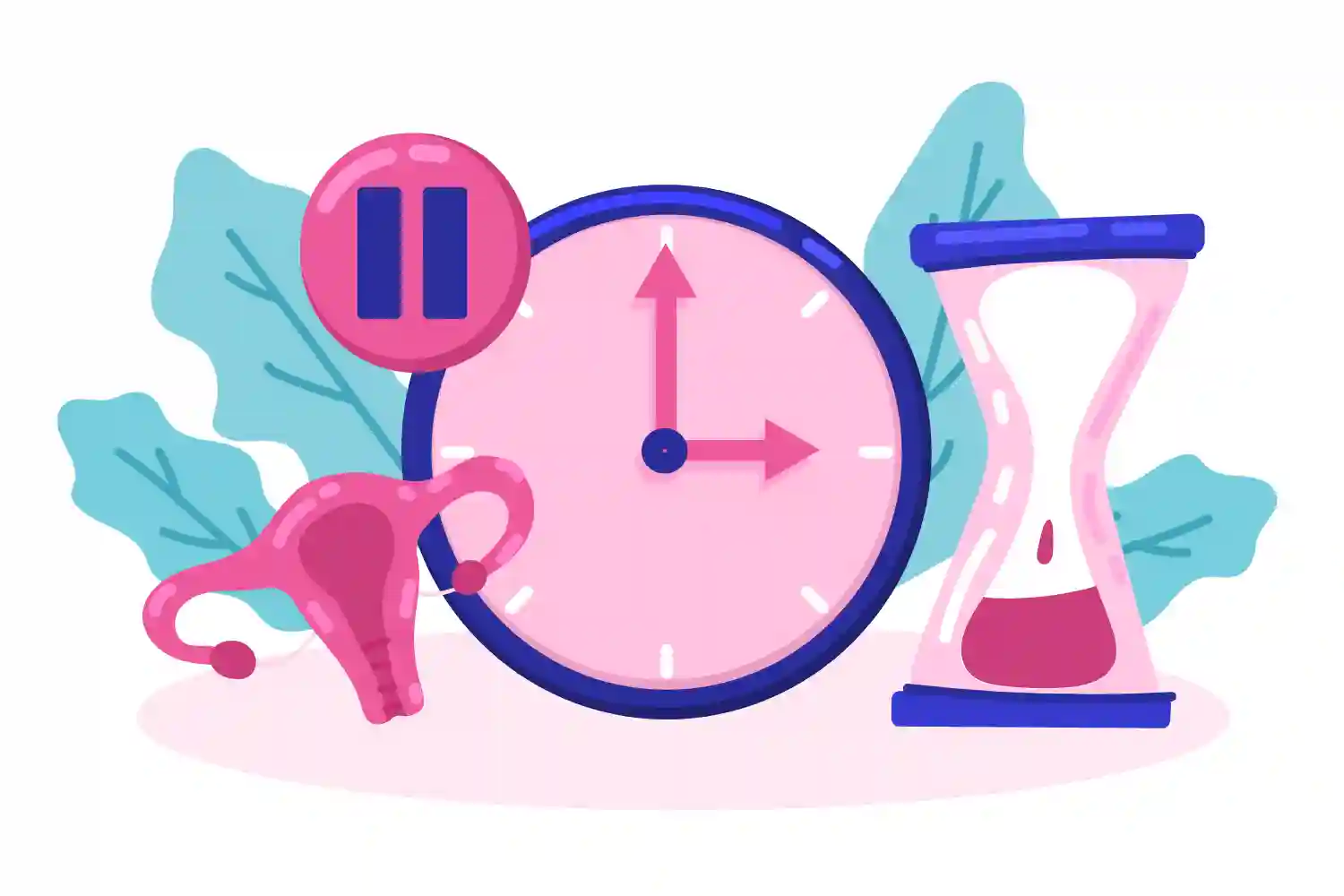
Menopause is a natural biological process marking the end of a woman’s reproductive age. It is identified when menstrual periods stop permanently for at least 12 consecutive months. While the average age for menopause is around 52, it can occur naturally between the ages of 45 and 55, or even later in some women.
Though it’s a natural part of aging, menopause can bring various symptoms and health challenges that require attention and care.
Common Symptoms of Menopause
Every woman’s menopause journey is different, but many experience the following:
Hot Flashes & Night Sweats
Sudden feelings of heat, often accompanied by sweating and rapid heartbeat, especially at night.
Sleep Problems / Insomnia
Difficulty falling or staying asleep due to hormonal changes or discomfort from night sweats.
Mood Swings, Depression, Anxiety
Emotional fluctuations are common, with increased feelings of anxiety or sadness in some women.
Health Risks During and After Menopause
Menopause doesn’t only come with visible symptoms—it also carries longer-term health risks due to declining estrogen levels:
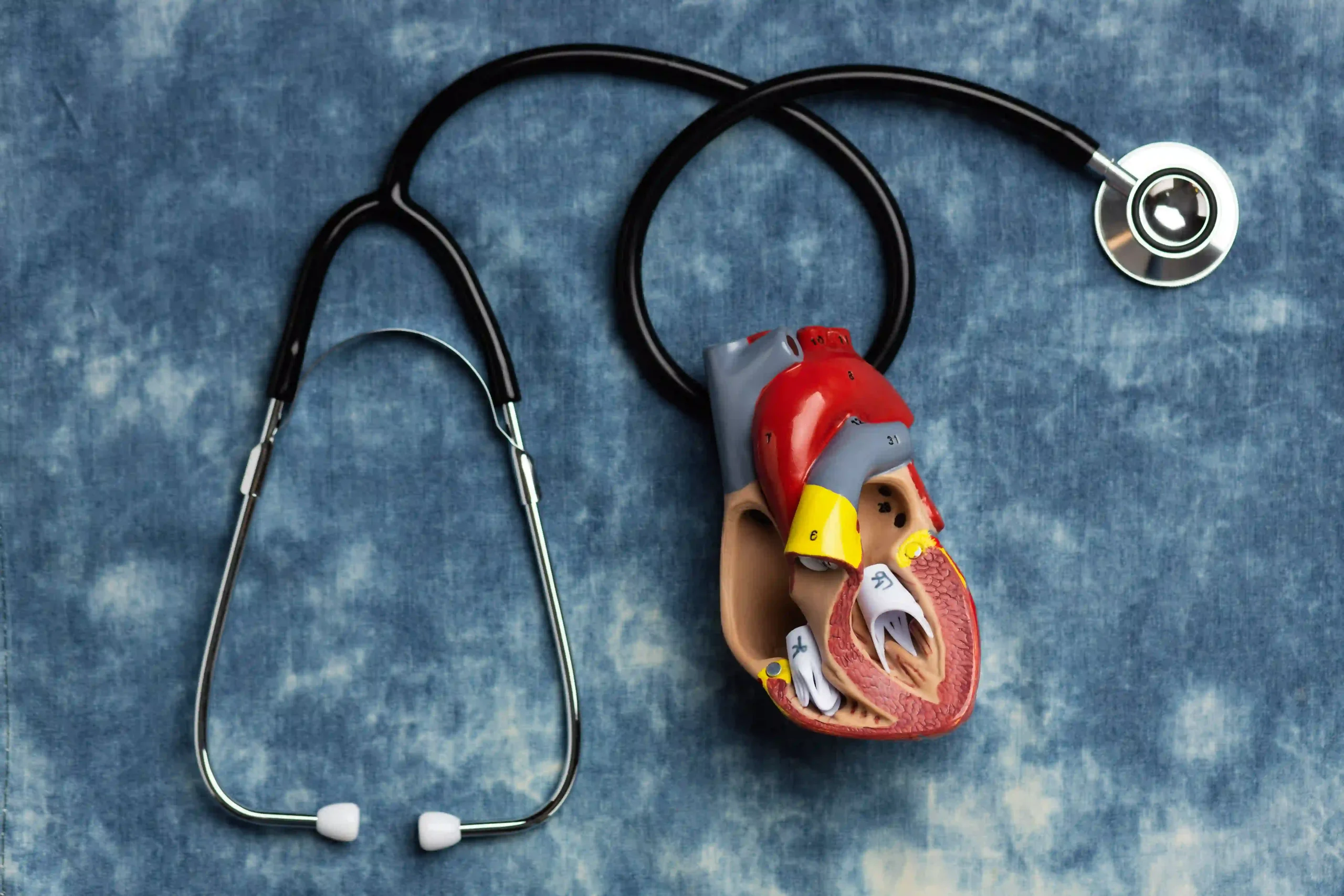
Cardiovascular Disease
The risk of heart disease rises significantly after menopause.
Musculoskeletal Disorders
Bone density decreases, leading to higher chances of osteoporosis and joint issues.
Cancer in Middle-Aged and Elderly Women
The risk of certain cancers, including breast and uterine cancer, increases during this phase.
Cognitive Decline and Dementia
Some studies suggest a link between menopause and cognitive changes or increased dementia risk.
Proactive Care for Women in Dubai
With so many physical and emotional changes, it’s essential to prioritize health during menopause. Thankfully, many medical centers in Dubai offer specialized care for women, including hormone therapy, wellness programs, and mental health support.
For a more proactive approach, consider comprehensive health checkup packages in Dubai that are designed for middle-aged women. These often include hormone level testing, bone density scans, cardiovascular screenings, and cancer risk assessments.
Scheduling a medical center appointment can be the first step to managing symptoms, reducing risks, and improving overall well-being.
Take Charge of Your Health
Menopause is not the end—it’s a new chapter in a woman’s life. With the right medical support, lifestyle adjustments, and self-care practices, women can continue to live vibrant, healthy lives.
For more in-depth scientific information on menopause and its effects, visit this NIH resource on menopause — a trusted, non-commercial source from the U.S. National Institute on Aging.